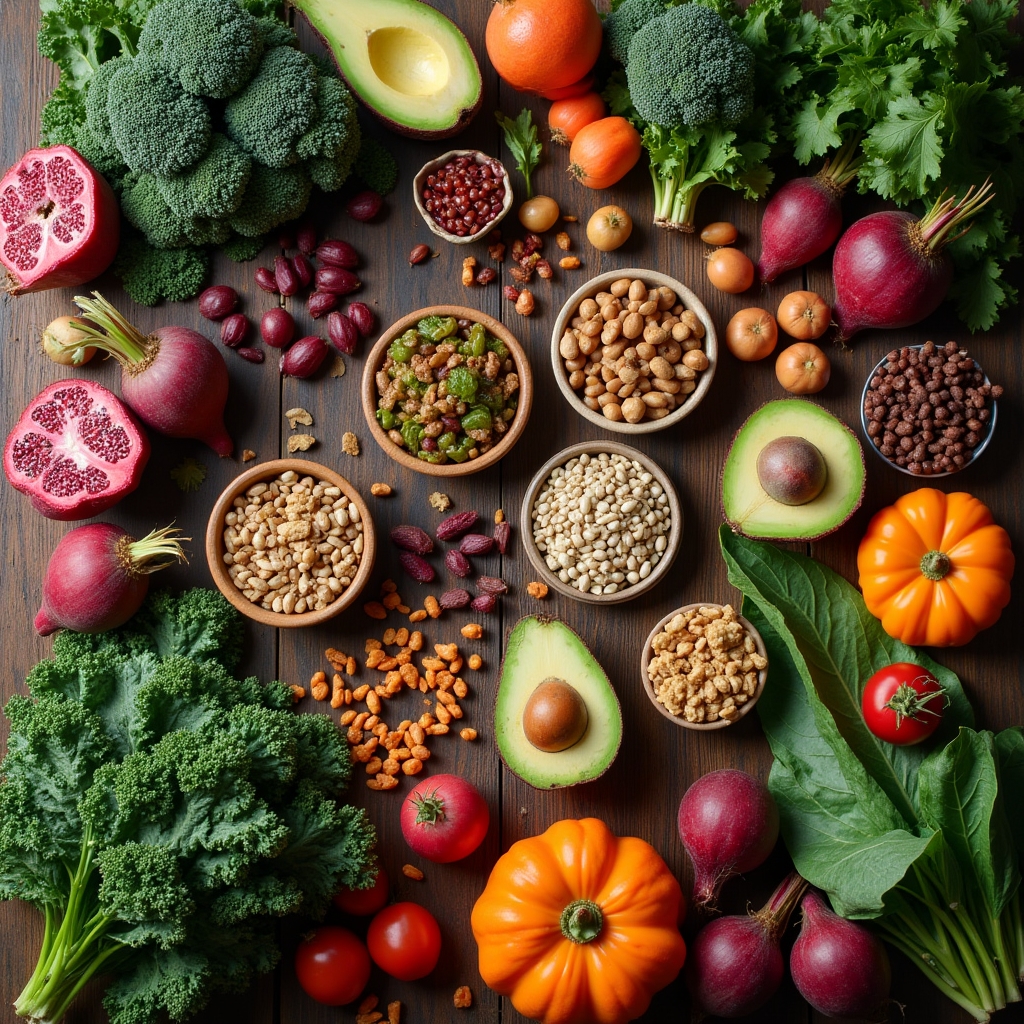
Small, consistent habits have an outsized effect on how you feel day to day. Here we explore what the research tells us about sleep, hydration, movement, and food — and how these four pillars interact.
Most conversations about sleep focus on how many hours you get. The research on circadian biology suggests that when you sleep — and how regular your schedule is — may be equally important. Your body uses light exposure and meal timing as cues to synchronize its internal clock. Disrupting that clock, even occasionally, can affect how refreshed you feel even after a full night.
Sleep architecture matters too. The body cycles through light sleep, deep slow-wave sleep, and REM sleep in roughly 90-minute cycles. Deep sleep is when physical repair happens. REM sleep is associated with memory consolidation and emotional processing. Alcohol, late meals, and certain medications can alter the time spent in each stage.
Magnesium plays a role in regulating the GABA receptors involved in sleep initiation. Tryptophan, found in foods like turkey, eggs, and pumpkin seeds, is a precursor to serotonin and melatonin. These are areas of active nutritional research.

Water is essential, but hydration is a more complex picture. Electrolytes — sodium, potassium, magnesium, and chloride — work alongside water to maintain fluid balance inside and outside cells. When electrolyte balance is off, simply drinking more water doesn't always help.
Cognitive performance research shows that even mild dehydration can affect attention, short-term memory, and mood. The threshold at which this occurs is lower than most people expect. You don't need to feel thirsty to be in a state where hydration is affecting your mental clarity.
Foods contribute meaningfully to hydration. Cucumbers, watermelon, leafy greens, and citrus fruits all have high water content. Soups and broths provide both water and electrolytes simultaneously.
Urine color is a practical, widely referenced indicator of hydration status. Pale yellow generally suggests adequate hydration. Dark yellow or amber suggests the body would benefit from more fluid intake.
Aerobic exercise increases mitochondrial density over time — meaning your cells become more efficient at producing energy. This is one reason regular exercisers often report higher baseline energy levels. But the timing and intensity of exercise also matters for how you feel in the short term.
High-intensity training late in the evening can delay sleep onset in some people by elevating core temperature and cortisol. Gentle movement like walking or stretching, on the other hand, can support the transition toward sleep. Morning exercise, particularly when combined with outdoor light exposure, can help anchor your circadian rhythm.
Resistance training has its own distinct benefits for energy metabolism, including improved insulin sensitivity and muscle glycogen storage. Neither aerobic nor strength training is more important. They complement each other in different ways.
The food you eat doesn't just provide calories. It provides micronutrients, phytocompounds, fiber, and signaling molecules that affect gene expression, hormone production, and neurotransmitter synthesis. The idea that food is merely fuel undersells how deeply diet shapes how you feel and function.
Blood sugar regulation is central to energy. Meals high in refined carbohydrates can produce rapid rises and falls in blood glucose, which many people experience as an energy crash. Including protein, fat, and fiber in meals slows glucose absorption and tends to produce a more sustained energy curve.
The gut microbiome — the community of microorganisms in your digestive tract — is increasingly recognized as relevant to energy, mood, and immune function. Dietary fiber from a variety of plant sources is the primary fuel for beneficial gut bacteria.
Iron deficiency is one of the most common nutritional deficiencies worldwide and a frequent topic in fatigue research. Iron is central to hemoglobin, which carries oxygen in red blood cells. Without sufficient iron, oxygen delivery to tissues is impaired. Good dietary sources include red meat, lentils, spinach, and fortified grains.
Our Cognitive Wellness section explores B vitamins, magnesium, and adaptogenic herbs in more detail — including what the research actually says.